Avoid Costly Mistakes with Your Trees During Construction Projects
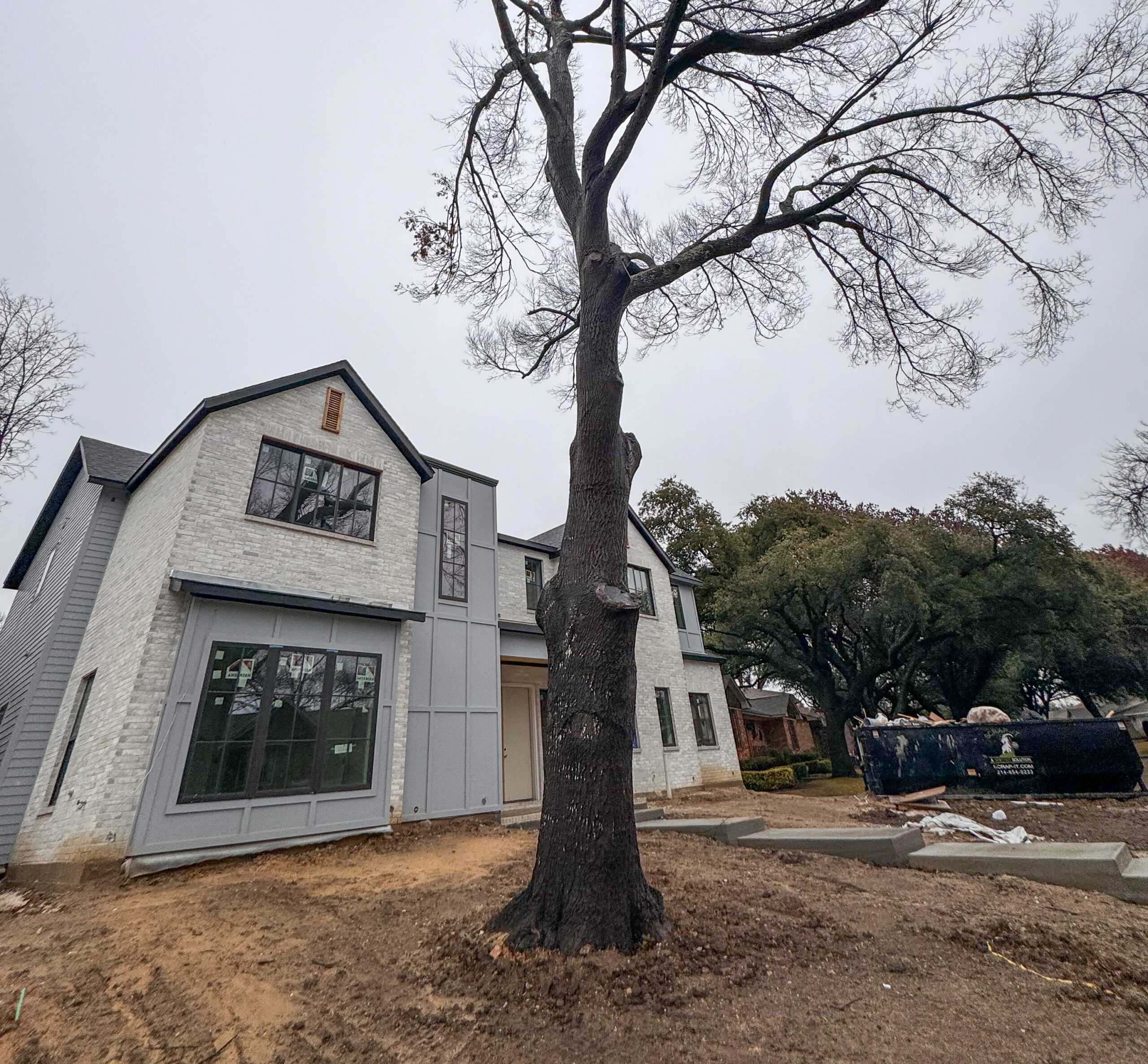
When planning for a rebuild or renovation of your home one thing that consistently gets overlooked is proper tree protection. Trees are living organisms that need to be protected and accounted for prior to construction beginning.
It may be due to lack of communication, or information, but the result is the same. After these beautiful new homes are made the trees that were prized on those lots die within a few years. We hear, “We did everything we could for them” but these statements are made retroactively to the damage, not proactively.
Damage from construction projects is the most common cause of tree death in urban environments, and while the effects may not be immediately apparent, the tree can be in decline and die years after nearby construction has been completed.
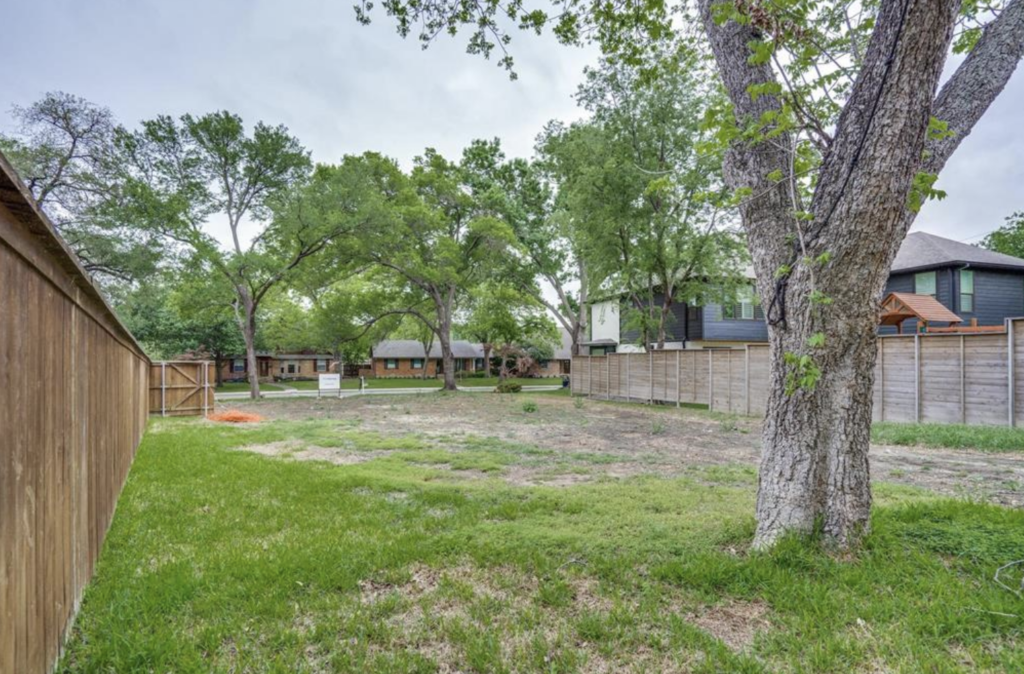
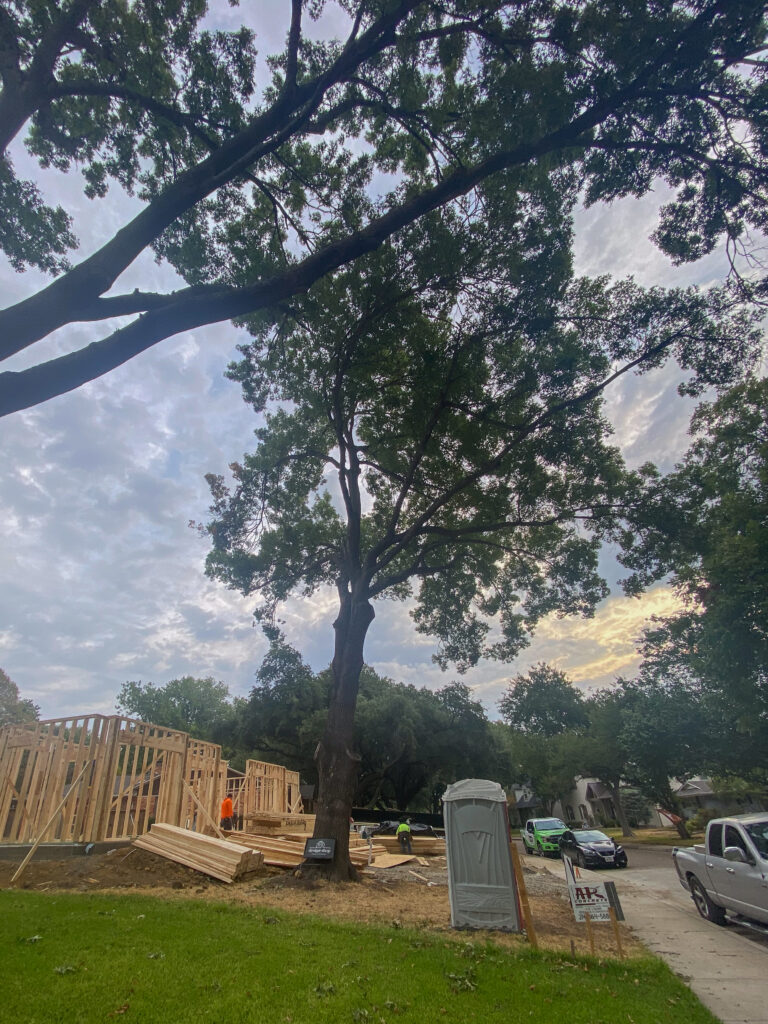
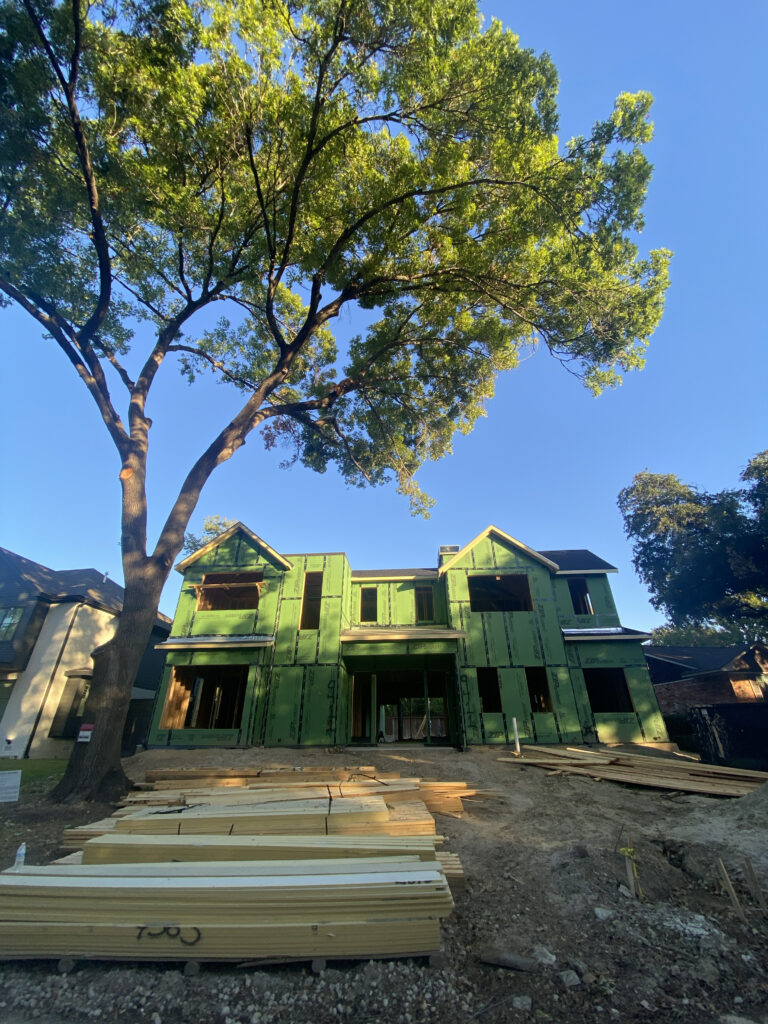
Below are common tree hazards that occur during construction and how they adversely affect the health of your trees. To illustrate this point the photos in this article are documenting a singular construction site, the trees on the property, the decline, and eventual death.


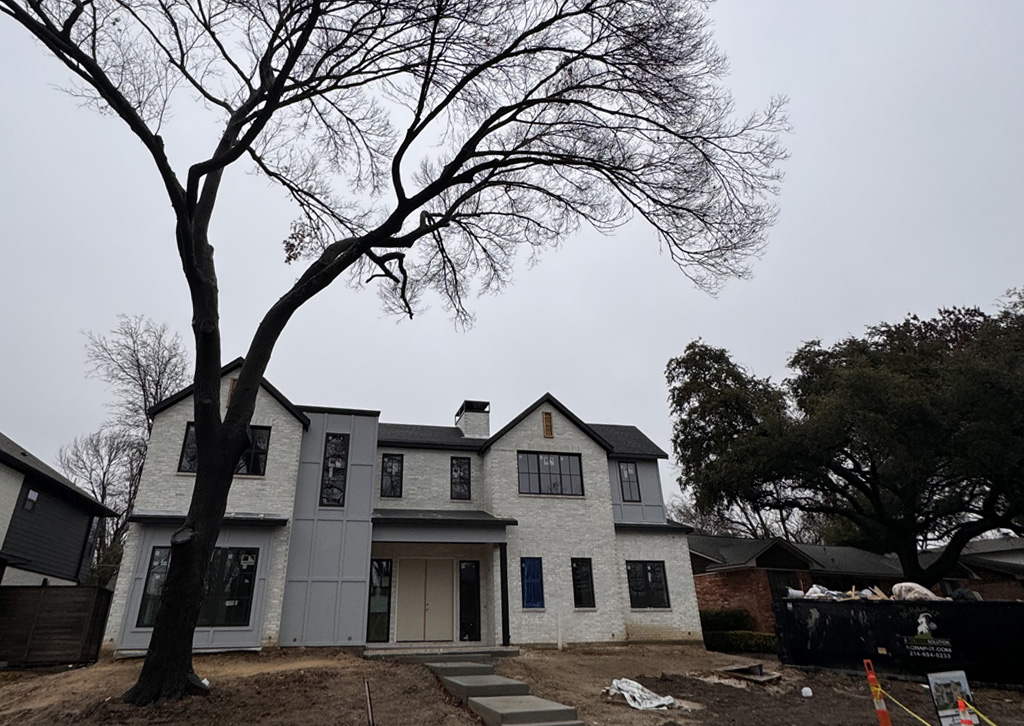
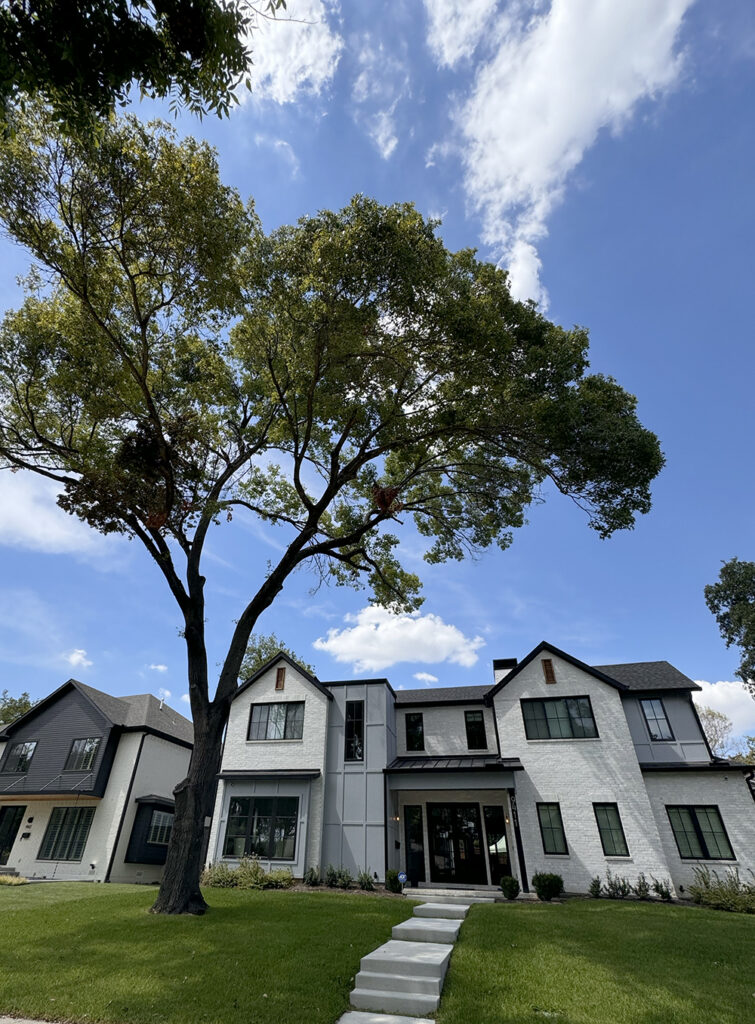
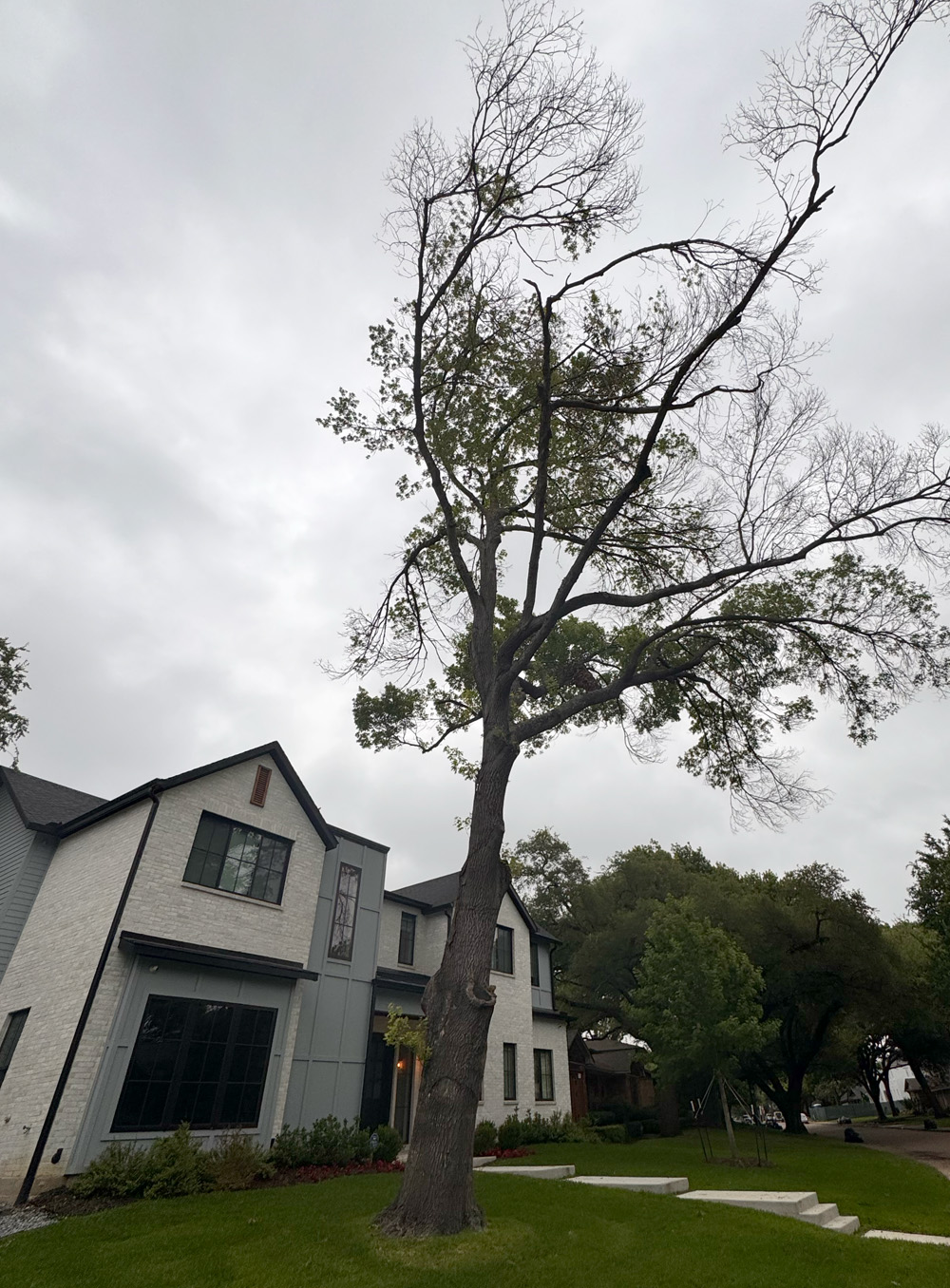
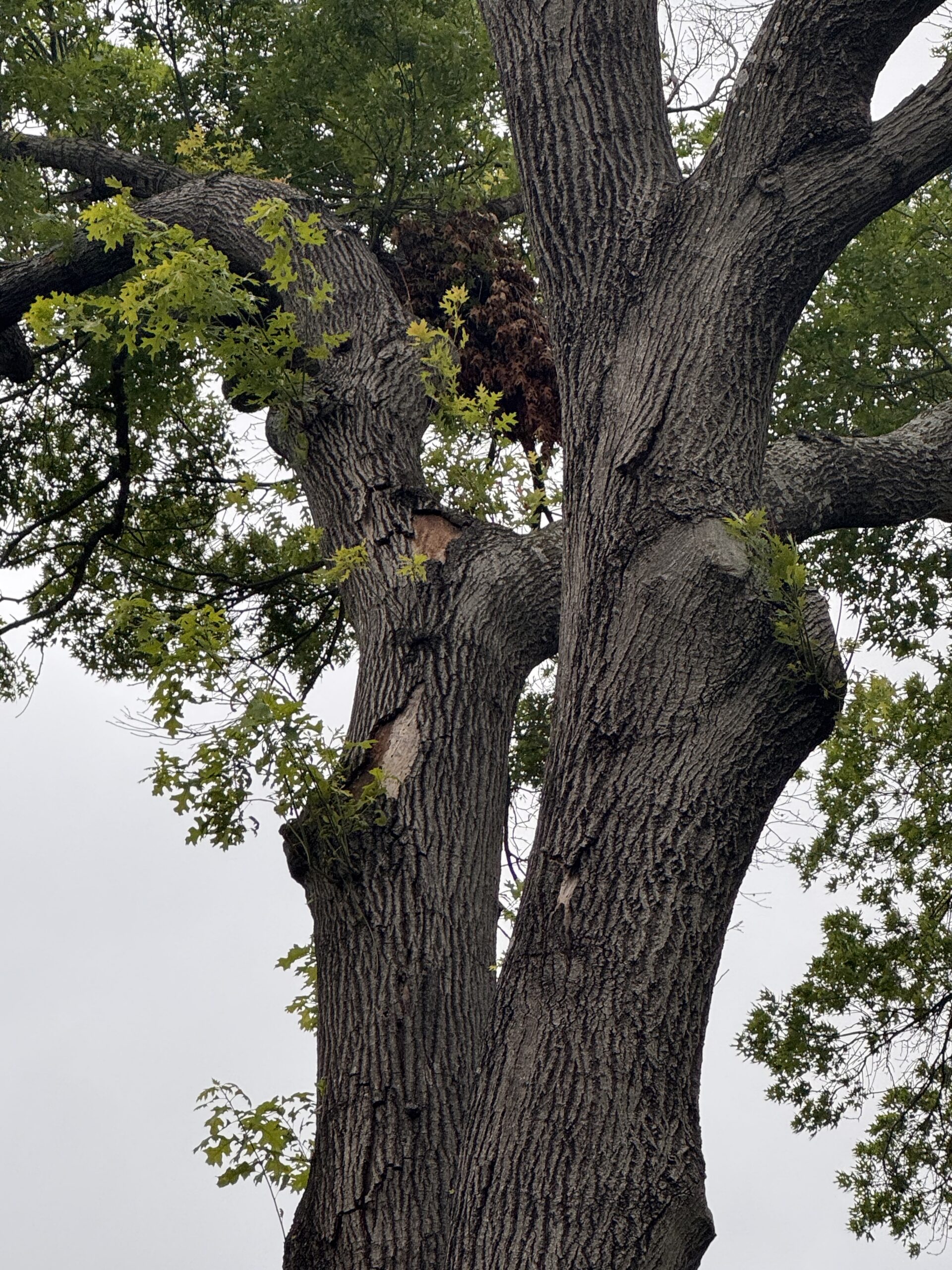

The Role of Root Damage in Tree Mortality During Construction
Roots are the lifeblood of any tree, providing stability and access to essential nutrients. During construction, heavy machinery and soil compaction can harm roots, leading to irreparable damage and, ultimately, tree death.
Tree roots are deceptively expansive, extending far beyond the visible canopy. They demand a vast stretch of land to access the necessary nutrients and water. When construction projects commence without protective measures, these roots often endure crushing pressure from heavy machinery. Not only does this physical damage disrupt their growth, but it also deprives them of essential air pockets in the soil. Such changes severely impair a tree’s ability to maintain its metabolic processes, often resulting in a slow yet irreversible decline.
Impact of Soil Compaction on Tree Health During Construction
Compacted soil restricts the tree’s ability to absorb water and nutrients. This condition, often caused by construction crews moving earth or heavy equipment traveling over roots, severely compromises tree health.
Consider the ground under a construction site as a bustling metropolis of microorganisms and larger soil fauna. Each organism plays a role in maintaining the soil structure, allowing trees to thrive. However, when construction begins, the compression of the soil compacts these spaces, eliminating the necessary gaps that store water and air. Trees end up in a static environment where nutrient cycling is stagnant. It’s similar to trying to breathe through a pressed sponge—life-sustaining elements get interrupted, initiating a perilous journey toward tree decline.
Changes in Water Availability and Tree Stress During Construction
Construction can alter natural water flow, diverting water away from trees. This sudden change in water availability can stress trees and lead to their premature death.
In urban settings, the water table can be significantly altered by human activities. When construction modifies the terrain, the natural flow of water is redirected, often leaving trees in drought-like situations. Imagine expecting a constant water supply only to find it sporadically, or not at all. Trees, accustomed to stable conditions, fall under immense stress. This physiological strain manifests in reduced foliage, vulnerability to diseases, and decreased growth rates, setting the stage for an untimely demise.
Effects of Trunk Damage During Construction
Accidental damage from vehicles during construction activities exposes trees to infections and pests, further endangering their longevity.
The outer bark acts as a tree’s armor, defending against external threats. When this armor is compromised during construction, the tree’s inner tissues are left vulnerable to pathogens and pest invasions. Furthermore, open wounds on trunks are prime locations for decay fungi, which can cripple the tree’s structural integrity, culminating in its eventual fall.
Altered Microclimates Near Construction Sites
The reduction of surrounding vegetation and soil changes can lead to altered temperature and humidity levels, creating a microclimate unsuitable for tree survival.
When trees coexist with a diverse array of vegetation, a natural balance is maintained, regulating the microclimate. However, when construction clears these ecosystems, the remaining trees are exposed to sudden environmental shifts. Such changes can spike temperatures and reduce humidity, especially concerning areas like Dallas-Fort Worth where summers are notoriously harsh. Trees accustomed to a stable microclimate find it difficult to adapt to these rapid changes, often resulting in heat stress, dehydration, and ultimately, an inhospitable living environment.
Contamination from Construction Materials During Renovations
Chemicals and pollutants from construction materials can leach into the soil, potentially poisoning trees or disrupting their growth patterns.
Construction sites abound with materials not typically found in natural habitats—concrete, metal, chemicals, and other pollutants. These substances can inadvertently seep into the soil, creating a toxic mix. Trees, through their roots, absorb these harmful agents, impairing cellular transpiration and damaging essential physiological functionalities. The long-term exposure to such toxins diminishes a tree’s resilience, making it susceptible to diseases and environmental stresses.
Importance of Preserving the Soil Food Web During Construction
The complex interactions of organisms in the soil around trees are vital for nutrient cycling. Construction can disturb this delicate balance, impacting tree health.
At the heart of a healthy soil structure is the soil food web—a dynamic network of organisms that aid in nutrient decomposition and redistribution. This web comprises bacteria, fungi, earthworms, and insects, each playing a pivotal role. Construction activities, however, may intrude upon this ecosystem, leading to a breakdown in soil structure. Such disturbances can prevent the decomposition of organic matter into essential nutrients, directly influencing tree health. By preserving the soil food web, we help sustain trees’ primary nutritional sources, promoting long-term vitality even amidst urban development.
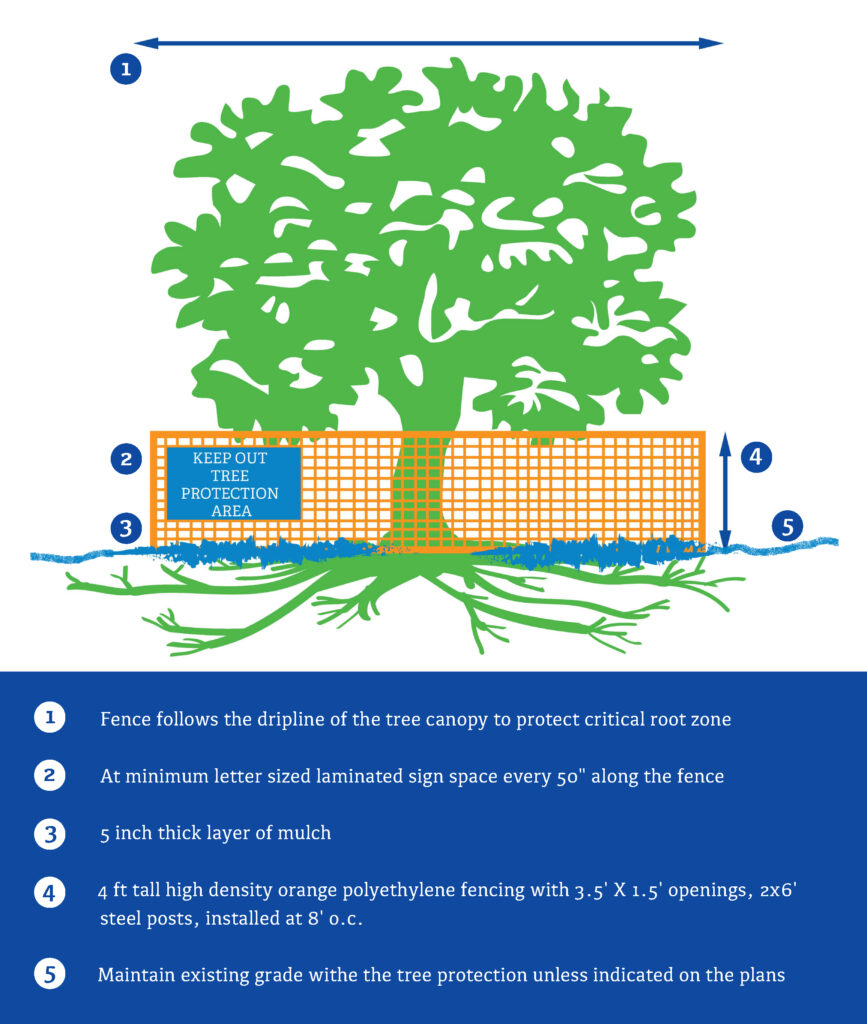
Strategies for Effective Tree Protection Zone (TPZ) During Construction
Implementing protective barriers, adjusting construction techniques, and scheduling careful monitoring can significantly mitigate tree damage and enhance survival rates.
Before Beginning Construction
- Tree Work should be performed under a certified arborist’s supervision and should include the necessary pruning, removal of dead wood, and removal of trees. This is ideally done in the winter time while the trees are dormant and at least 8 months to a year before construction begins. This is the time to begin a deep root fertilization and Tree Health Care Program that will help strengthen and protect your tree.
- Erect Barriers that are as far from the base of the trunk as possible or a minimum of the drip line. Within the Tree Protection Zone, mulch should be applied 2-4 inches deep around the base of the tree within the barrier.
- Where barriers are not possible, avoid compaction by mulching 6 inches deep and laying plywood on top to disperse weight. For removal of mulch at the end of the project consult with an arborist.
- Reduce Chance of Harm by limiting access to site to avoid unnecessary soil compaction: Create one road in and one road out of site with barriers on either side. This route can later be used to trench for utilities, water lines, driveway, etc.
During Construction
- Water trees frequently with slow soak. If roots have been damaged or removed, then a tree will need more water than it did before because it has less ability to uptake necessary water.
- Trees should be fertilized at least three times a year. We suggest a deep root organic fertilizer to increase available nutrients.
- Keep a watchful eye on pest and diseases. When trees become stressed from construction they are more vulnerable to pest infestations and other diseases.
- During construction, we only want to remove what is necessary for the project to continue. This includes damaged limbs, dead wood, or infected sections. No other pruning should be done if not necessary.
- Water trees frequently with slow soak. If roots have been damaged or removed, then a tree will need more water than it did before because it has less ability to uptake necessary water.
- Trees should be fertilized at least three times a year. We suggest a deep root organic fertilizer to increase available nutrients.
- Keep a watchful eye on pest and diseases. When trees become stressed from construction they are more vulnerable to pest infestations and other diseases.
- During construction, we only want to remove what is necessary for the project to continue. This includes damaged limbs, dead wood, or infected sections. No other pruning should be done if not necessary
Post Construction
- Treat and seal injuries
- Repair irrigation and drainage issues harmful to trees
- Remove excess mulch and mulch for long-term health of the tree
- Aerate soil that has been compacted
- Vertical mulch
- Soil Amendments
- Have trees seasonally assessed by a Certified Arborist.
To preserve our urban green spaces amidst construction, a proactive approach is paramount. Creating secure fencing around tree perimeters can effectively deter machinery from encroaching on sensitive root zones. Employing thoughtful excavation techniques that respect trees’ spatial needs, combined with employing experts to regularly monitor tree health, helps detect stress signs early. Consequently, targeted interventions can be implemented in a timely fashion. With concerted efforts, harmonious coexistence between urban development and nature becomes a feasible, enriching reality, ensuring our cities remain vibrant and green.
At Texas Tree Surgeons, we love trees and we love our community! Trees are a wise investment of funds because landscaped homes are more valuable than non-landscaped homes. If you are planning to remodel, or do construction we would love to help safeguard your trees. Contact us today!

 PREV BLOG
 Related Blogs
Similar blogs related to this topic
The Dallas Morning News | Constant State of Stress
We spoke with The Dallas Morning News about heat stress and what North Texans can do to help their trees recover. “Here in Texas, we go through these droughts all the time,” King said. “This…
Read more
Why do Some Live Oak Produce Root Sprouts and What to do About it?
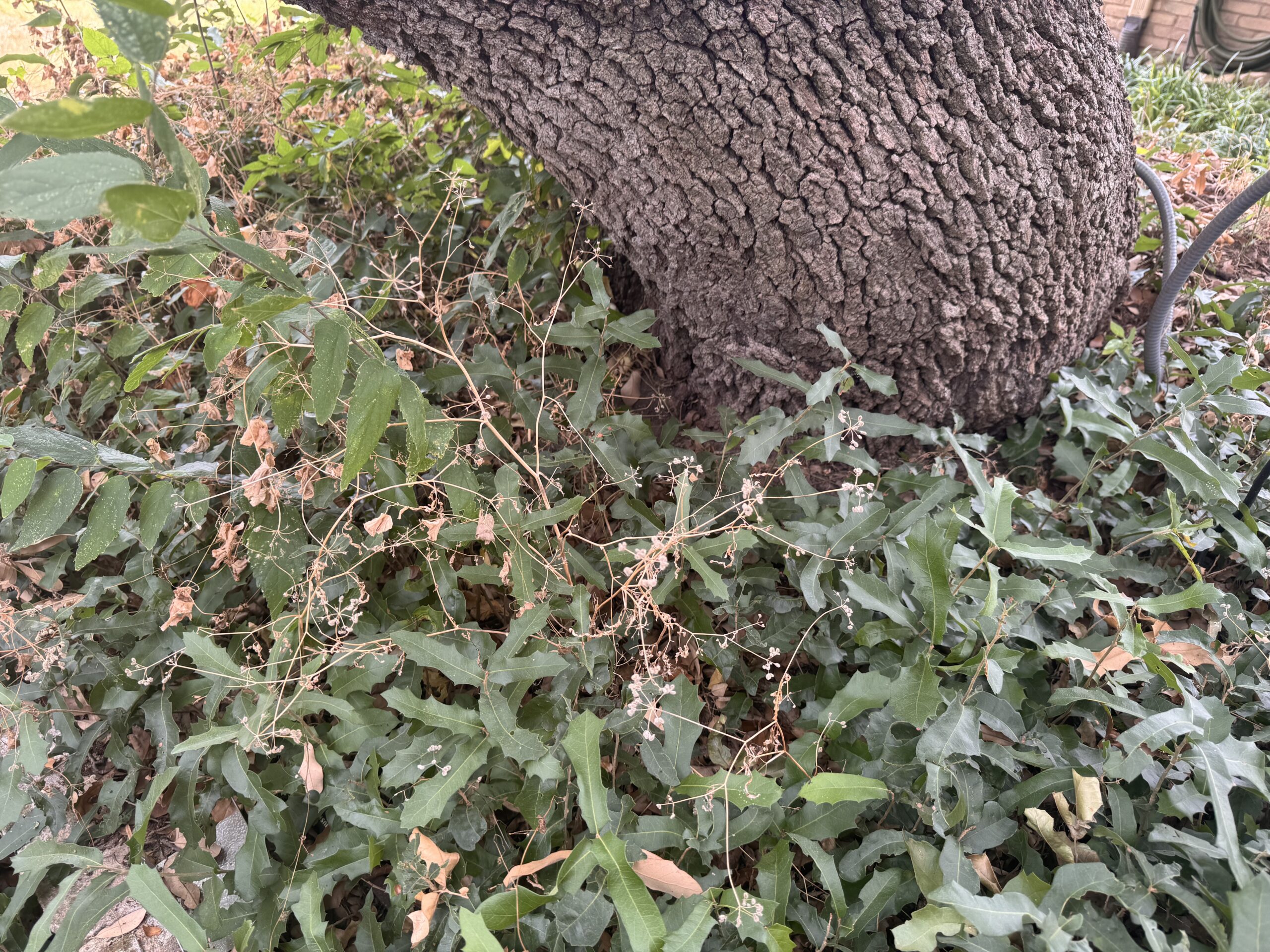
Root sprouts, sometimes referred to as suckers, are new growths that emerge from the roots of Live Oaks. These are typically a response to certain environmental conditions or stress factors that the tree is experiencing.…
Read more
North Texas Extreme Heat is Drying out Trees
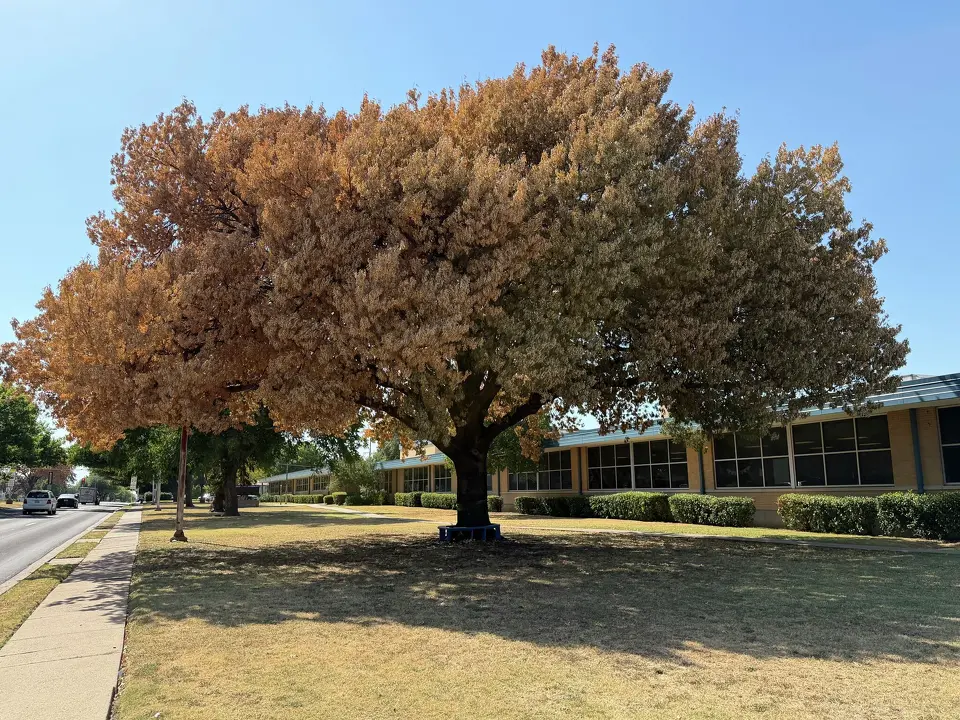
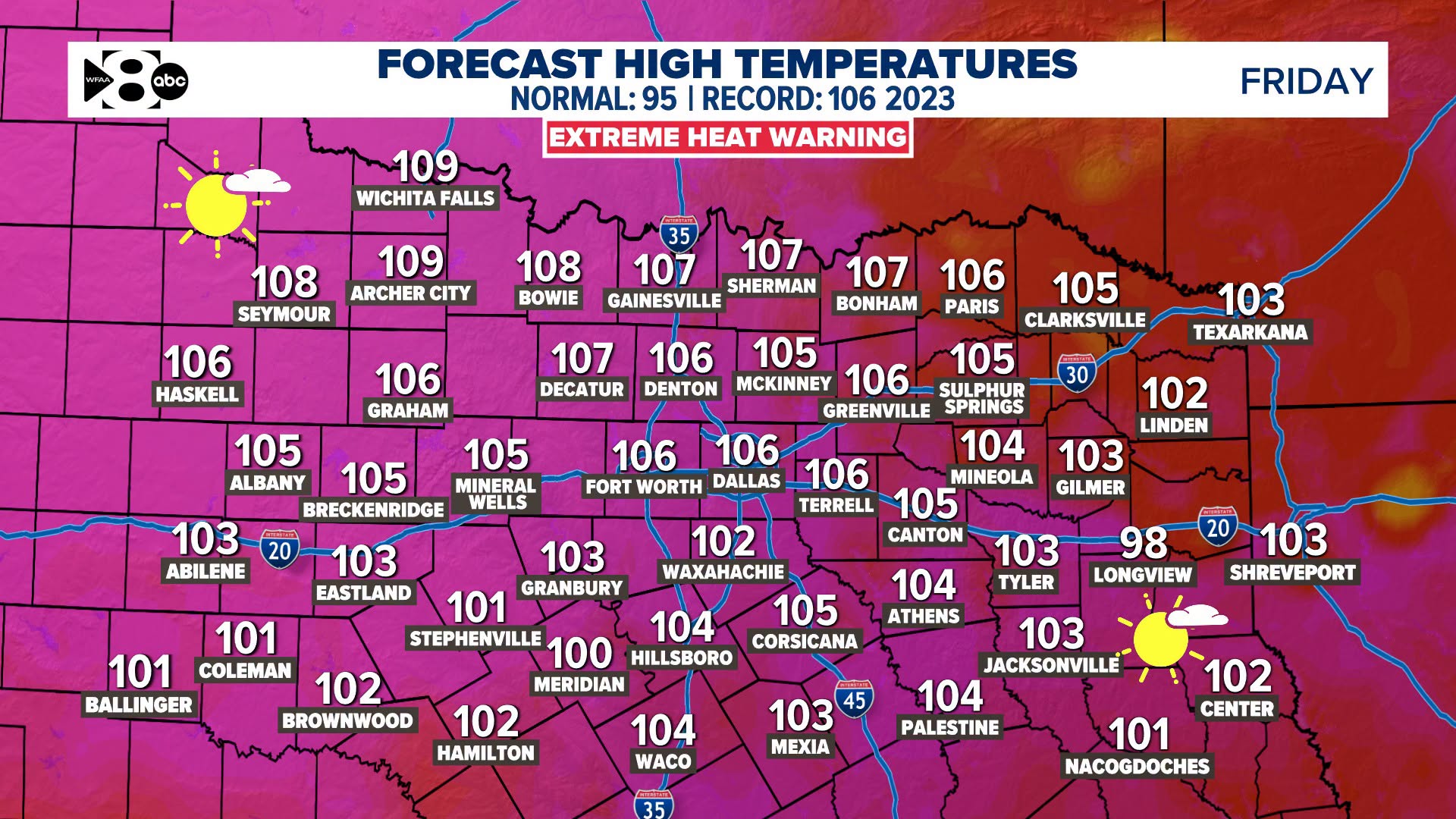
The high temperatures in North Texas aren’t going anywhere and our trees are showing signs of stress from heat. What can home owners do? Water your trees! Same tree just days apart showing how quick…
Read more